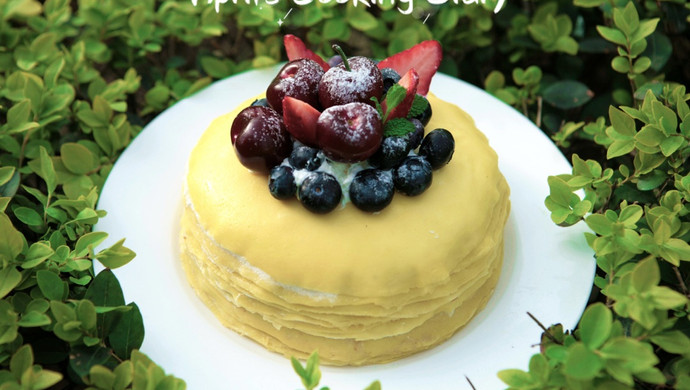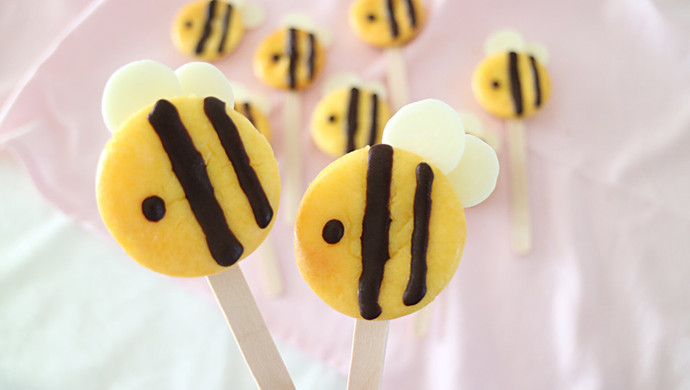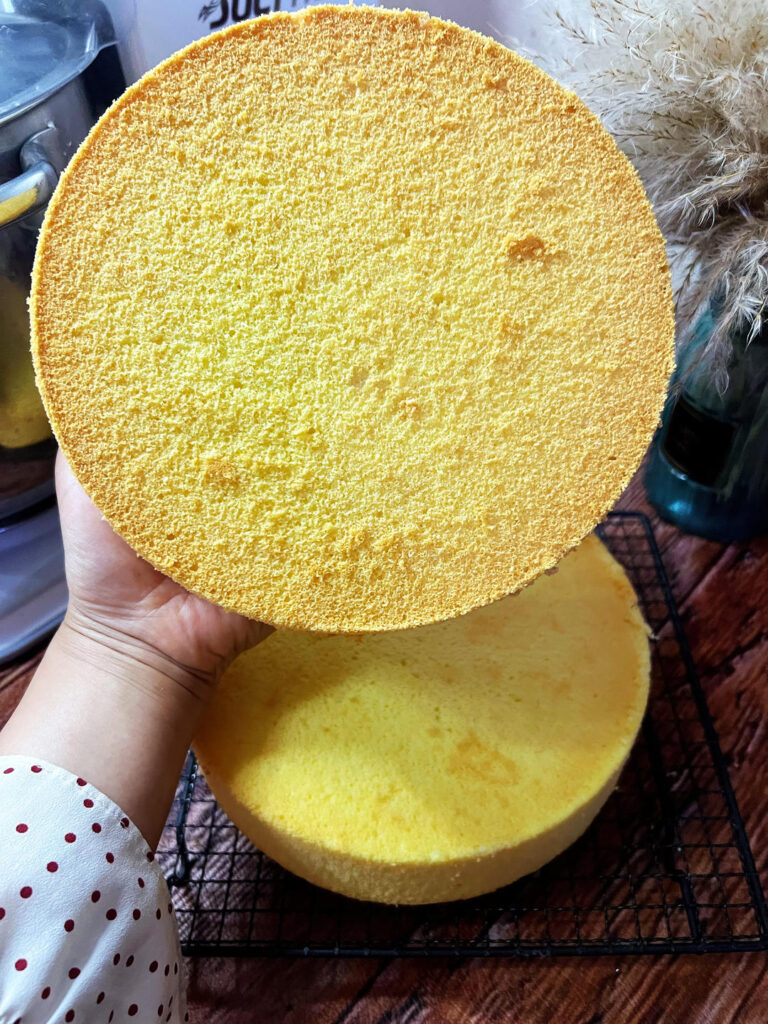
Does chiffon cake always drive you crazy? Actually, it only requires these few ingredients. With the right formula, the right technique, and the right temperature, failure is very unlikely.
Eggs: 5
Corn oil: 40 g
Milk (or water): 70 g
Cake flour: 100 g
Lemon juice (or white vinegar): 2 g
60 grams of fine granulated sugar.
Crack 5 eggs into a deep mixing bowl that is free of water and oil. Separate the egg whites and egg yolks one by one, ensuring that no egg yolk remains in the egg whites. Add 40 grams of corn oil to the egg yolks and whisk until emulsified (the corn oil and egg yolks are fully combined). Add 70 grams of milk (or water) and stir until uniform. Sift in 100 grams of cake flour. Stir in a Z-shaped motion until there are no dry flour streaks and no lumps, achieving a silky consistency. Do not overmix; if the batter becomes overdeveloped, the cake will not rise properly. Once the egg yolk batter is ready, set it aside. Preheat the oven to 150°C with both upper and lower heat. The ten minutes of oven preheating is just enough time to whip the egg whites and fold them into the egg yolk batter. Add 2 grams of lemon juice or white vinegar to the egg whites (to remove odor and improve stability). Add 60 grams of fine granulated sugar for whipping the egg whites in three additions: when large fish-eye bubbles form, when fine dense small bubbles form, and when lines begin to appear.For whipping egg whites, it is recommended to start at high speed until rich small bubbles form, then add fine granulated sugar and switch to low speed.
Whip the egg whites until they form large curved hooks (if whipped too stiff into small curved hooks, the cake surface is prone to cracking).
Using a silicone spatula, take one-third of the egg whites and add them to the egg yolk batter, stirring quickly and lightly until evenly combined.
This portion of egg whites is sacrificed to deflate and dilute the yolk batter, making it less thick so it can be more easily combined with the remaining egg whites. Therefore, even vigorous stirring will not cause deflation concerns.
Pour the combined yolk and egg white batter into the bowl containing the remaining two-thirds of the egg whites.
At this stage, proper technique is essential: fold from the bottom upward.
Pour the evenly mixed, uniform-colored cake batter from a height of 20 centimeters into an 8-inch chiffon cake pan, then tap the pan twice against the counter from a height of 20 centimeters to release large air bubbles and achieve a finer, more uniform texture.
Immediately place into a preheated oven. For a 42-liter oven with three racks, I generally use the bottom rack. Bake at 150°C with both top and bottom heat for 45 minutes.
Ding~ Once out of the oven, immediately put on heat-resistant gloves, remove the mold, tap it twice to release the air inside, then invert it. (Why must it be inverted to cool? Due to gravity, the cake stays stretched; after cooling, turn it back and it will not collapse. Therefore, the cake mold must not be non-stick. If it is non-stick, the cake will fall out as soon as you invert it, and how can it stretch and set?)
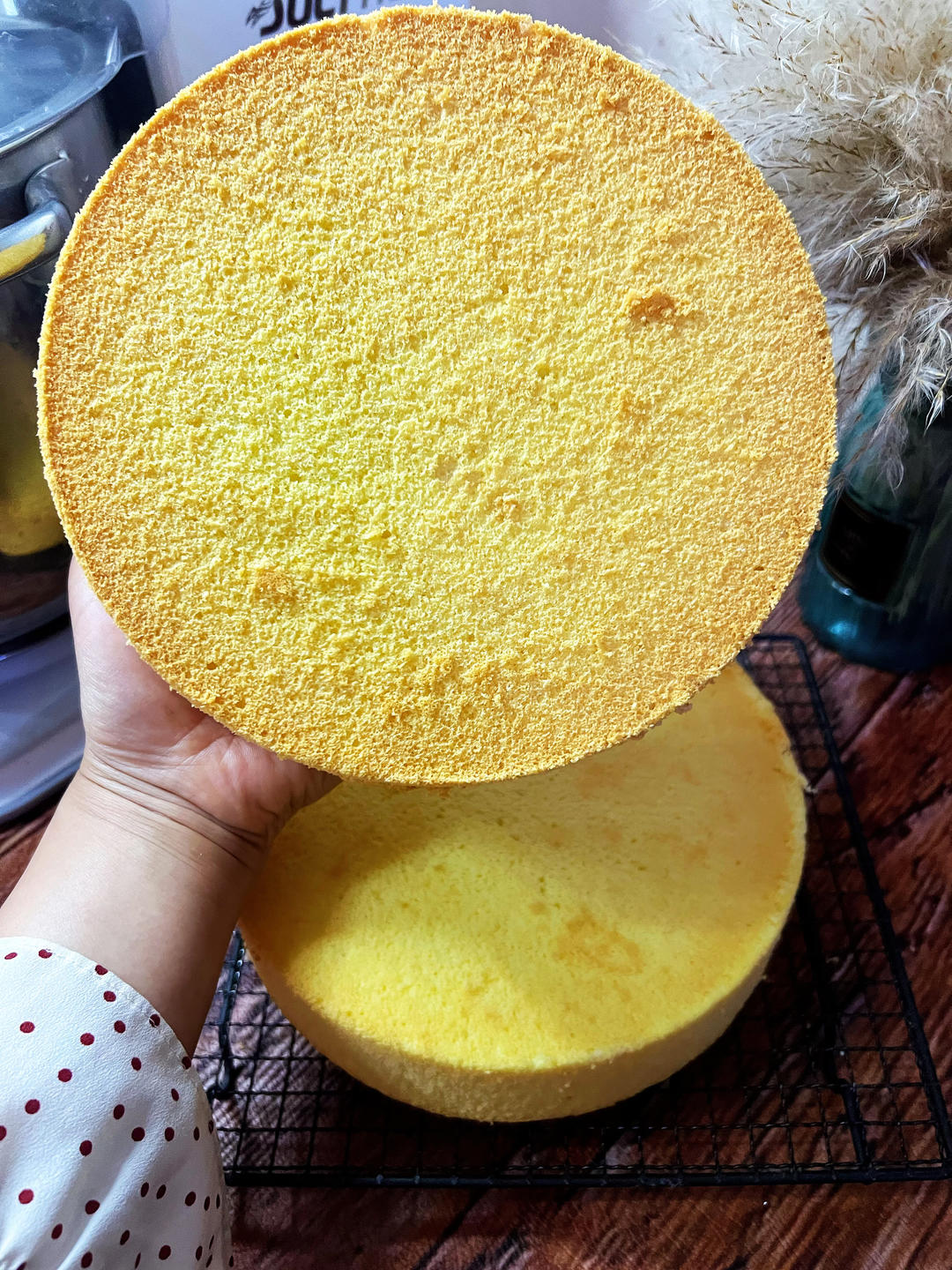
Leave it inverted to cool for about 1 hour, then unmold. At this point, the biggest task is complete: an 8-inch basic chiffon cake base is done. Next, decorate it as you like! I made two cake bases at once, so all ingredients are doubled. If making one 6-inch cake, halve the ingredients. For Hulu’s 6th birthday, I made a simple cream, fruit, and chocolate cake. The filling is blueberry jam and mango chunks, and the top is decorated with blueberries and Maltesers, which pair very well.